
Estate Planning 101: Terms and Documents To Know
Michael Madison | Oct 13 2026 13:00
Estate planning is not reserved for people later in life or for families with substantial wealth. It is a practical way to document your wishes, protect the people you love, and create a plan for important decisions if you are ever unable to make them yourself.
At Estate Planning of Honolulu, we help individuals and families approach these decisions with greater clarity and confidence. Although estate planning language can seem unfamiliar at first, understanding several core documents and roles can make it easier to take meaningful steps toward protecting your future.
Last Will and Testament
A last will and testament is one of the most familiar estate planning documents. It records how you want property in your estate to be distributed after your death and identifies the person you select to carry out those directions, known as the executor.
For parents with minor children, a will also provides an opportunity to nominate a guardian. Without a valid will, Hawaii law generally controls how an estate is handled, and the result may not reflect the decisions you would have made for your family. A current will gives your wishes a clear place to be expressed.
Beneficiary Designations
Not every asset is transferred through a will. Accounts such as retirement plans, life insurance policies, and certain bank or investment accounts may pass directly to the individual named in a beneficiary designation.
Because a beneficiary designation may control even when a will says something different, it deserves regular attention. Marriage, divorce, the arrival of a child, or the death of someone you named are all reasons to review these choices. Keeping designations current helps ensure they remain aligned with the rest of your estate plan.
Durable Power of Attorney
A durable power of attorney allows you to appoint a trusted person to handle financial and legal matters if you cannot manage them on your own. Depending on the authority granted, that person may pay bills, work with financial accounts, oversee investments, or address real estate matters.
This document can provide continuity during an unexpected illness or incapacity. Instead of leaving important matters unresolved, you have already chosen someone to act in accordance with the authority and guidance you have provided.
The Executor’s Role
An executor is the individual responsible for administering an estate after a person dies. Their job is to follow the instructions in the will and address the steps required to settle the estate.
Those responsibilities can include identifying and gathering assets, addressing valid debts, completing required filings, and distributing property to beneficiaries. Selecting an organized, dependable, and trustworthy executor can make a difficult process more manageable for the people left behind.
Why Guardianship Decisions Matter
For parents of minor children, naming a guardian is often among the most personal decisions in an estate plan. A guardian is the person you nominate to care for your children if you are no longer able to do so.
Including this nomination in your planning documents offers important direction instead of leaving the matter entirely to the court. It can also give family members valuable clarity during a deeply emotional time. Estate Planning of Honolulu can help you consider how this decision fits into the larger plan you are creating for your family.
Healthcare Power of Attorney
Estate planning extends beyond property and finances. A healthcare power of attorney enables you to name someone to make medical decisions for you when you cannot communicate your preferences yourself.
The person you appoint can work with healthcare providers and make treatment decisions with your values and wishes in mind. Choosing someone who understands what matters to you can provide reassurance to both you and your loved ones.
Living Will or Advance Directive
A living will, which may also be called an advance directive, addresses medical care rather than the distribution of assets. It outlines your preferences concerning treatment and end-of-life care if you are unconscious or otherwise unable to make your wishes known.
Providing those instructions ahead of time can reduce uncertainty for your family and offer healthcare professionals meaningful guidance when decisions are especially difficult. It is an important companion to the person you name to make healthcare decisions on your behalf.
What Probate Means
Probate is the legal process in which a court oversees the administration of a person’s estate after death. During probate, debts may be addressed, required paperwork is completed, and remaining property is distributed according to estate planning documents and applicable law.
Depending on the circumstances, probate can involve time, expense, and public court proceedings. For this reason, certain estate planning strategies may be designed to simplify the process or avoid probate when appropriate for a family’s goals.
Understanding Trusts
A trust is a legal arrangement used to hold, manage, and distribute assets under instructions you establish. Based on its terms, a trust can provide added control over how and when beneficiaries receive assets.
Trusts may also support ongoing asset management, offer a greater degree of privacy, and help avoid probate for assets that have been properly transferred into the trust. Since every family’s circumstances are different, a trust can often be tailored to the specific goals of the person creating it.
Moving Forward With an Estate Plan
Estate planning is fundamentally about preparing for the future and caring for the people who matter most. The terminology may initially feel complex, but learning how these documents and roles work together makes the process far more approachable.
At Estate Planning of Honolulu, we believe a thoughtful plan should reflect your priorities, values, and family circumstances. Understanding wills, trusts, beneficiary designations, powers of attorney, guardianship nominations, and probate can help you make informed decisions. Whether you are preparing your first estate plan or reviewing documents created years ago, working with an experienced estate planning attorney can help keep your wishes protected and your plan aligned with your needs.
Reflecting on a Year of Change
As 2025 draws to a close, it's a natural moment for reflection. For many, this year brought significant personal changes — whether joyful or daunting. With such transformations, it's crucial to consider their impact on your legal and financial landscapes. Being proactive might feel overwhelming, but trust that even small updates can grant significant peace of mind.General Year-End Legal Check-In
Before we leap into 2026, take some time to review all your current legal documents. Even if you're uncertain whether a life change requires a legal update, the act of reviewing can bring clarity and reassurance. Starting the new year with this clarity can be invaluable.Welcoming a Child
Adding a new member to your family, whether through birth or adoption, necessitates some key legal updates. Ensure your will is revised, legal guardians are named, and your beneficiary designations are updated. For adoptions, it's crucial to update court documents and vital records to reflect these new family dynamics.Marriage or Divorce
With marriage or separation, there are important steps to recalibrate your legal documents. Consider updating your wills, powers of attorney, health care proxies, and beneficiary designations to reflect your current family structure. Checking property titles and notifying the SSA about any name changes are also crucial. Also, if you've married without a prenuptial agreement, contemplate a postnuptial agreement to protect your interests.Buying a Home
Owning a new home brings joy and responsibility. Don’t overlook the importance of incorporating this asset into your estate plan. Review the title ownership and ensure you have adequate insurance coverage. Creating a living trust can also make future transfers smoother.A Reassuring Note to Take Action
While the task of reviewing legal documents might seem daunting, it's vital to remind yourself that it doesn't have to overwhelm you. Taking small, structured steps now can help prevent stress in the future. Consider reaching out for a consultation to ensure you're on the right path. These proactive efforts are a loving reminder to yourself and your family that thoughtfulness today leads to peace tomorrow.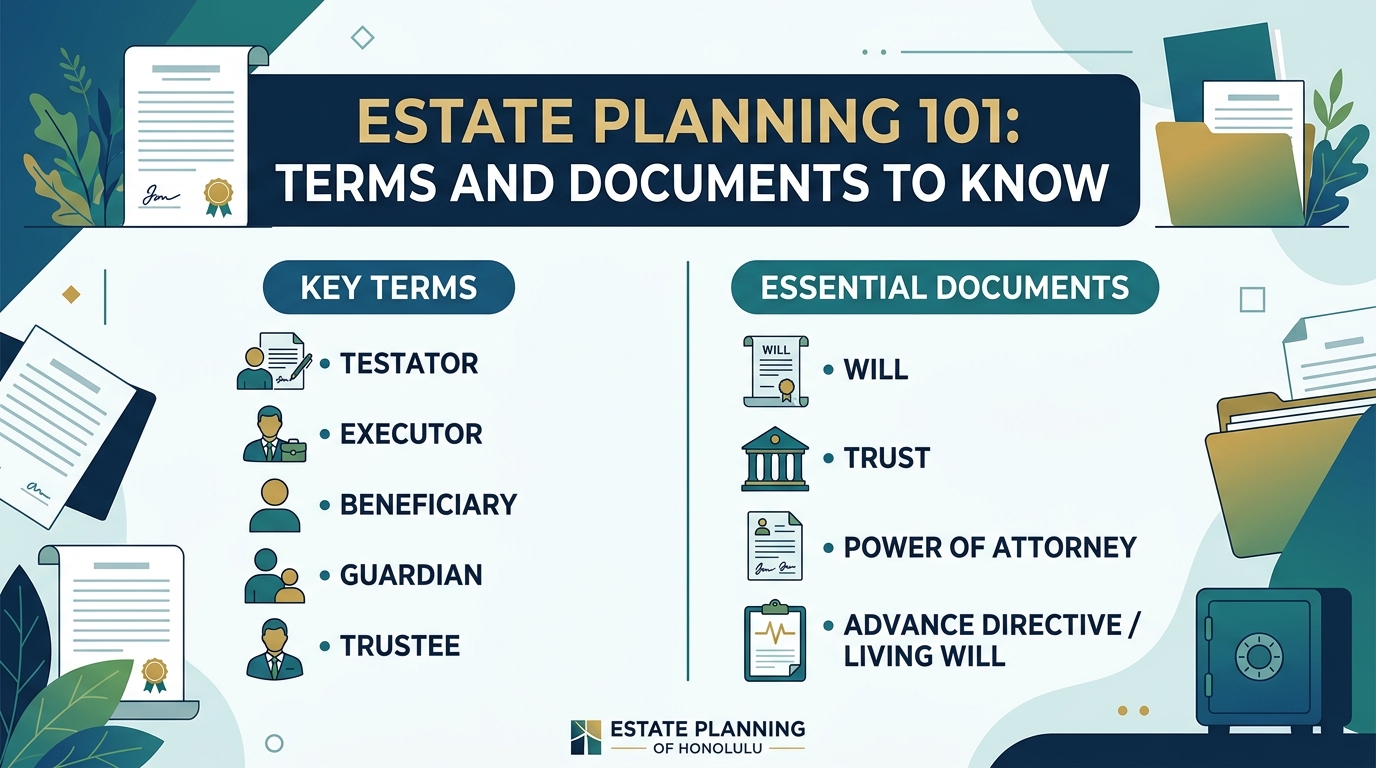
Estate Planning 101: Terms and Documents To Know

How to prepare for your first estate planning meeting

Advance Directives and Estate Planning