
Key Roles In Estate Planning
Michael Madison | Jul 21 2026 13:00
Estate planning involves far more than drafting documents. While wills, trusts, and directives form the backbone of your plan, the individuals you appoint to carry out these instructions ultimately determine how effectively everything works in practice. Choosing the right people ensures your estate plan operates the way you intended, both legally and practically.
The roles you assign can directly influence whether the process unfolds smoothly or becomes complicated and stressful for your loved ones. Understanding each key position helps you build a dependable estate plan that supports your wishes during life and after your passing.
The Importance of the People Behind Your Plan
An estate plan only functions properly when the people designated to manage it are capable, prepared, and available. Even the most detailed documents cannot fix issues caused by an overwhelmed or unwilling representative.
Every individual you appoint carries both legal responsibilities and hands-on tasks. They may be asked to manage finances, make health care choices, or distribute assets. Selecting each person thoughtfully helps minimize delays, reduce confusion, and ensure your wishes are carried out with accuracy and care.
Neglecting to fill or update these roles can lead to unnecessary court involvement, increased costs, and added emotional strain for your family. By taking time to understand each responsibility, you can build a strong foundation for your estate plan.
Successor Trustee: Maintaining Trust Oversight
A successor trustee steps in when the initial trustee is no longer able to serve, whether due to incapacity, resignation, or death. This individual ensures that the trust continues to operate without interruption.
Duties often include managing investments, safeguarding trust assets, and distributing property according to the trust's instructions. They also must follow all fiduciary and legal obligations associated with trust administration.
Selecting someone with strong financial awareness and organizational ability can help prevent administrative setbacks or mismanagement. A capable successor trustee keeps the trust on track, protects its value, and supports beneficiaries throughout the process.
Health Care Agent: Upholding Your Medical Preferences
A health care agent—also known as a medical power of attorney—is appointed to make health care decisions on your behalf if you become unable to communicate. This person acts as your advocate during critical medical moments.
Unexpected health events can require immediate decisions, making it essential to choose someone who understands your personal values and wishes. Their ability to act confidently ensures continuity in your care.
If no agent is named, family members may struggle with disagreements or uncertainty about your preferred medical approach. Honest conversations with your chosen representative before any crisis occurs help them feel prepared to honor your wishes.
Executor and Backup Executor: Handling the Estate After Passing
The executor you appoint manages your estate once you pass away. This includes paying outstanding debts, filing necessary documents, and distributing your assets according to your will.
It is equally important to name a backup executor. Your first choice may be unavailable, unable, or unwilling to serve when the time comes, and having a secondary option prevents the court from needing to appoint someone.
Without a backup, estate settlement can experience delays and increased costs. Naming both positions creates a more seamless transition and helps protect your beneficiaries from unnecessary complications.
Financial Power of Attorney: Managing Finances During Incapacity
A financial power of attorney authorizes a trusted individual to oversee your financial matters if you become incapacitated. This ensures your financial responsibilities continue without interruption.
Your chosen representative may manage tasks such as paying bills, supervising investments, handling real estate issues, or even operating a business. Because these responsibilities often require immediate attention, choosing someone dependable is crucial.
Without this designation, your loved ones may need to seek court approval to access your accounts or manage essential financial tasks. Establishing a financial power of attorney in advance avoids these challenges and protects your financial stability.
Guardian for Minor Children: Preparing for Their Long-Term Care
For parents, selecting a guardian for minor children is one of the most significant decisions within an estate plan. This individual becomes responsible for raising your children if you can no longer do so.
If you do not name a guardian, the court will determine who takes on this responsibility. Although the court aims to make the best decision for the child, the outcome may differ from your personal preferences.
Appointing a guardian involves more than adding a name to a document. It requires open discussion with the chosen individual to confirm they are able and willing to accept the role. Talking about expectations, shared values, and long-term plans provides stability and reassurance for your children should the unexpected occur.
Keeping Your Estate Plan Up to Date
Estate planning is a process that evolves alongside your life. Relationships change, financial situations shift, and personal priorities may adjust over time. These changes can impact whether your chosen representatives are still the right fit.
Regular reviews help ensure your designations remain accurate and that each role is filled by someone capable and ready to serve. Revisiting your plan prevents avoidable issues and keeps your intentions clearly outlined.
A thoughtful estate plan is more than a set of documents—it involves selecting the right people, preparing them for their duties, and ensuring everything aligns with your current wishes.
If you are due for a review or need guidance choosing the right individuals for important roles, Estate Planning of Honolulu is here to help. A well-structured plan offers clarity, security, and peace of mind for you and your loved ones for years to come.
Reflecting on a Year of Change
As 2025 draws to a close, it's a natural moment for reflection. For many, this year brought significant personal changes — whether joyful or daunting. With such transformations, it's crucial to consider their impact on your legal and financial landscapes. Being proactive might feel overwhelming, but trust that even small updates can grant significant peace of mind.General Year-End Legal Check-In
Before we leap into 2026, take some time to review all your current legal documents. Even if you're uncertain whether a life change requires a legal update, the act of reviewing can bring clarity and reassurance. Starting the new year with this clarity can be invaluable.Welcoming a Child
Adding a new member to your family, whether through birth or adoption, necessitates some key legal updates. Ensure your will is revised, legal guardians are named, and your beneficiary designations are updated. For adoptions, it's crucial to update court documents and vital records to reflect these new family dynamics.Marriage or Divorce
With marriage or separation, there are important steps to recalibrate your legal documents. Consider updating your wills, powers of attorney, health care proxies, and beneficiary designations to reflect your current family structure. Checking property titles and notifying the SSA about any name changes are also crucial. Also, if you've married without a prenuptial agreement, contemplate a postnuptial agreement to protect your interests.Buying a Home
Owning a new home brings joy and responsibility. Don’t overlook the importance of incorporating this asset into your estate plan. Review the title ownership and ensure you have adequate insurance coverage. Creating a living trust can also make future transfers smoother.A Reassuring Note to Take Action
While the task of reviewing legal documents might seem daunting, it's vital to remind yourself that it doesn't have to overwhelm you. Taking small, structured steps now can help prevent stress in the future. Consider reaching out for a consultation to ensure you're on the right path. These proactive efforts are a loving reminder to yourself and your family that thoughtfulness today leads to peace tomorrow.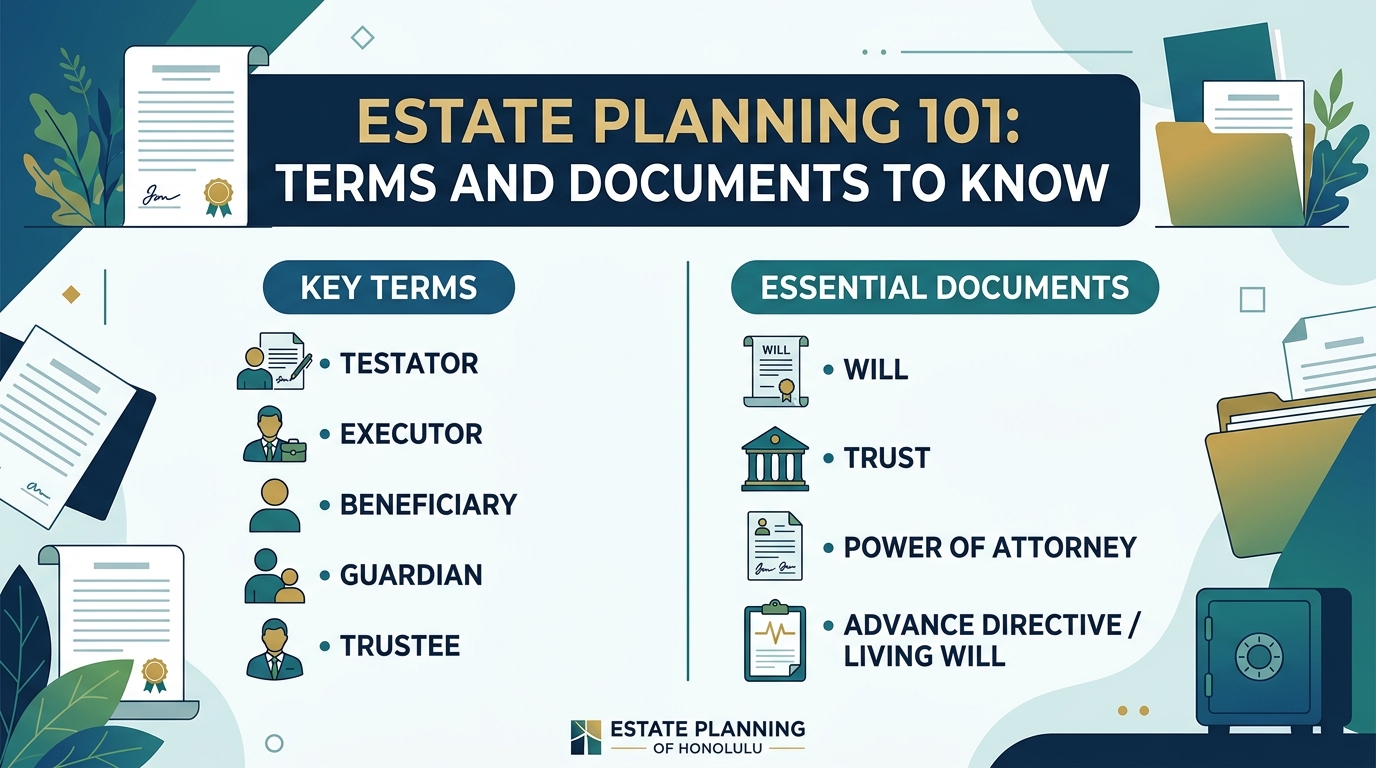
Estate Planning 101: Terms and Documents To Know

How to prepare for your first estate planning meeting

Advance Directives and Estate Planning