
Why Every Estate Plan in Honolulu Should Include a Health Care Directive
Michael Madison | Mar 03 2026 16:00
Protecting Your Future with a Honolulu‑Focused Estate Plan
When people think about estate planning, they often picture wills, trusts, and how their assets will be distributed. But a strong estate plan does more than outline what happens after you pass away—it also protects you during your lifetime. One of the most important tools for residents of Honolulu and across Hawaii is a health care directive.
Including a health care directive in your estate plan ensures your medical preferences are honored if you cannot speak for yourself. Whether you live in Honolulu, Oahu, or anywhere in the state, this document provides clarity during medical emergencies and helps your loved ones make confident, informed decisions.
What Is a Health Care Directive?
A health care directive—also known as an advance directive—is a legal document that outlines your medical care preferences and names someone you trust to make medical decisions on your behalf. In Hawaii, this document typically includes two parts:
- Living Will: States your wishes regarding treatments such as resuscitation, life support, feeding tubes, and other critical care decisions.
- Medical Power of Attorney: Appoints a health care agent who can communicate with your medical team and advocate for your wishes.
Together, these tools make sure your voice is heard—even if you’re unable to communicate.
Why Health Care Directives Matter for Hawaii Residents
Maintain Control Over Your Medical Care
Without a directive, doctors and family members may be forced to guess about your preferences. In some cases, the courts may even become involved. A properly executed Hawaii advance directive ensures your choices guide your care, whether you prefer aggressive treatment, comfort‑focused options, or something in between.
Reduce Stress for Loved Ones
Medical emergencies can leave families unsure and overwhelmed. With a clear health care directive in place, your loved ones can follow your stated wishes rather than making difficult decisions during emotional moments.
Useful Across Many Medical Situations
Directives aren’t limited to end‑of‑life care. They are valuable if you are recovering from surgery, injured in an accident, or temporarily unable to communicate. They are especially important for young adults living in Honolulu or attending school on the mainland, as parents lose automatic decision‑making authority once a child turns eighteen.
Ensures Access to Medical Information
A well‑drafted directive authorizes your chosen agent to communicate with your doctors and access medical records under HIPAA rules. This allows your agent to coordinate care, speak with your insurance company, and help manage medical decisions while you recover.
Easy to Update as Life Changes
Life events—marriage, divorce, moving between islands, relocation to or from Honolulu, or changes in health—may all influence your medical preferences. Your directive can and should be updated as needed.
Common Misconceptions About Advance Directives
Many people assume only older adults need advance directives, but emergencies can happen at any age. Others fear that a directive takes away control, but it only becomes active if you cannot express your wishes. And contrary to popular belief, directives are not permanent—they can be revised or canceled at any time.
How to Create a Legally Valid Hawaii Health Care Directive
Each state has its own requirements, so Hawaii residents should be sure their form meets state standards. Creating a directive typically involves:
- Selecting a trusted health care agent who understands your values
- Documenting your treatment preferences
- Signing the document with the proper witnesses or notary (as required by Hawaii law)
- Sharing copies with your agent, family, and medical providers
- Storing the directive where it can be accessed quickly in an emergency
Working with an estate planning attorney in Honolulu ensures your directive is properly drafted, legally compliant, and aligned with your overall estate plan.
How a Health Care Directive Strengthens Your Estate Plan
A complete estate plan protects more than your assets—it protects your well‑being. When paired with other essential documents such as wills, trusts, and financial powers of attorney, your health care directive helps create a comprehensive plan designed specifically for your needs as a Hawaii resident.
Take the Next Step
If your estate plan doesn’t yet include a health care directive—or if your existing documents need updating—now is an excellent time to take action. Contact Estate Planning of Honolulu to schedule a review and ensure your wishes are clearly documented. With a thoughtful, legally sound plan in place, you can enjoy peace of mind knowing your medical preferences will be honored and your loved ones will have the guidance they need.
Reflecting on a Year of Change
As 2025 draws to a close, it's a natural moment for reflection. For many, this year brought significant personal changes — whether joyful or daunting. With such transformations, it's crucial to consider their impact on your legal and financial landscapes. Being proactive might feel overwhelming, but trust that even small updates can grant significant peace of mind.General Year-End Legal Check-In
Before we leap into 2026, take some time to review all your current legal documents. Even if you're uncertain whether a life change requires a legal update, the act of reviewing can bring clarity and reassurance. Starting the new year with this clarity can be invaluable.Welcoming a Child
Adding a new member to your family, whether through birth or adoption, necessitates some key legal updates. Ensure your will is revised, legal guardians are named, and your beneficiary designations are updated. For adoptions, it's crucial to update court documents and vital records to reflect these new family dynamics.Marriage or Divorce
With marriage or separation, there are important steps to recalibrate your legal documents. Consider updating your wills, powers of attorney, health care proxies, and beneficiary designations to reflect your current family structure. Checking property titles and notifying the SSA about any name changes are also crucial. Also, if you've married without a prenuptial agreement, contemplate a postnuptial agreement to protect your interests.Buying a Home
Owning a new home brings joy and responsibility. Don’t overlook the importance of incorporating this asset into your estate plan. Review the title ownership and ensure you have adequate insurance coverage. Creating a living trust can also make future transfers smoother.A Reassuring Note to Take Action
While the task of reviewing legal documents might seem daunting, it's vital to remind yourself that it doesn't have to overwhelm you. Taking small, structured steps now can help prevent stress in the future. Consider reaching out for a consultation to ensure you're on the right path. These proactive efforts are a loving reminder to yourself and your family that thoughtfulness today leads to peace tomorrow.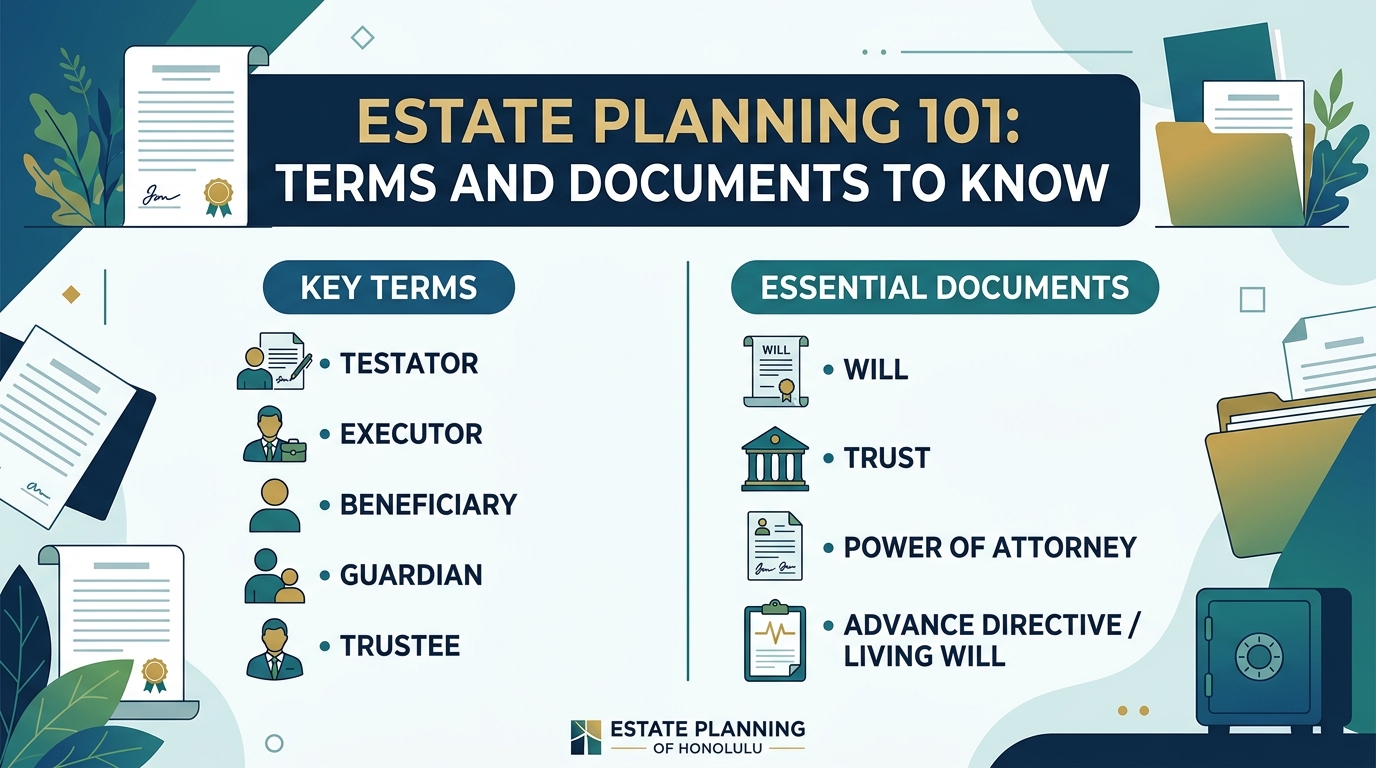
Estate Planning 101: Terms and Documents To Know

How to prepare for your first estate planning meeting

Advance Directives and Estate Planning