
How to choose trusted decision-makers for an estate plan
Michael Madison | Oct 23 2026 13:00
Choosing the people who will carry out your wishes can be one of the most important parts of estate planning. These roles may involve handling finances, making health care decisions, caring for children, or administering property after death. The best choice is not always the oldest child, closest relative, or person with the most financial success; it is the person who is prepared, trustworthy, and able to serve.
Estate Planning of Honolulu helps clients think through these choices carefully. Although role names and requirements can vary, selecting the right people and discussing your decisions in advance can help create a clearer, more workable plan.
Understand the Responsibilities Behind Each Role
Before naming anyone, it helps to understand what you are asking them to do. A personal representative or executor may be responsible for managing estate-related tasks, gathering information, communicating with interested parties, and following the directions in estate planning documents. A trustee may manage and distribute assets held in a trust according to its terms.
A financial agent may be authorized to handle financial matters if you cannot do so yourself. A health care decision-maker may be called upon to communicate with medical providers and make decisions consistent with your wishes. A guardian may have responsibility for the care and well-being of a minor child or another person who needs ongoing support.
These are meaningful responsibilities. One person may be well suited for one role but not another. Estate Planning of Honolulu often encourages clients to consider each appointment separately rather than assuming one individual should handle everything.
Look for Reliability and Integrity
Reliability is a foundational quality for every estate planning role. The person you choose should be someone who follows through, keeps commitments, and can be trusted to handle sensitive information and important responsibilities.
Integrity matters just as much. Many of these roles involve access to private records, financial information, property, and personal decisions. Consider whether the individual has demonstrated honesty, discretion, and respect for your wishes over time.
Trust can be deeply personal, but it is useful to think beyond affection alone. Ask yourself whether this person is likely to act responsibly even when decisions are difficult, inconvenient, or emotionally charged.
Consider Judgment and Decision-Making Ability
Good judgment is essential, particularly for a trustee, financial agent, or health care decision-maker. The person may need to evaluate information, communicate with professionals, weigh competing concerns, and make decisions without perfect certainty.
For a health care role, consider whether the person can remain calm during a stressful medical situation and advocate for your stated preferences. For a financial role, consider whether they are organized, careful with money, and willing to seek professional guidance when needed. For a guardian, consider the person’s values, patience, stability, and ability to provide consistent care.
You do not necessarily need to choose someone with legal, medical, or financial expertise. A thoughtful person who knows when to ask questions and seek qualified help may be a stronger choice than someone who is overly confident but unwilling to listen.
Evaluate Availability and Practical Capacity
A capable person may still be unable to serve if they have limited time, demanding work obligations, health concerns, distance, or significant caregiving responsibilities of their own. Consider whether the person is realistically available to take on the role when the need arises.
Geographic distance does not automatically disqualify someone. Technology and professional support can make it possible for a trusted person to assist from another location. Still, distance can affect response times, coordination, and the day-to-day demands of managing property or caring for a child.
It can also be helpful to consider the likely timing of the appointment. Someone who is ideal today may not be in the same position several years from now. Reviewing your plan periodically gives you an opportunity to account for changing circumstances.
Confirm That the Person Is Willing to Serve
Never assume that a loved one is comfortable accepting a major responsibility. Serving as an executor, trustee, agent, health care decision-maker, or guardian can require time, emotional energy, and difficult conversations. A person may care about you deeply while still feeling unable to take on a particular role.
A direct conversation can prevent surprises and allow the person to ask practical questions. Explain why you chose them, describe the role in general terms, and let them know where important documents and information can be found. Their response may confirm your choice, or it may reveal that another arrangement would be better.
These conversations also give you an opportunity to share your priorities. A health care decision-maker, for example, will be better prepared if they understand your values and preferences before an urgent situation occurs.
Think Carefully About Family Dynamics
Family relationships can influence how smoothly an estate plan is carried out. Naming one family member in a position of authority may be appropriate, but it can also create tension if expectations are unclear or longstanding disagreements exist.
Consider whether the person you choose can communicate respectfully with others, manage conflict, and separate personal feelings from the responsibilities of the role. Choosing multiple people to act together may seem fair, but it can also create delays or disagreement if the individuals do not work well together.
Fairness does not always mean assigning equal responsibilities to everyone. It may mean choosing the person best equipped for each task and explaining your overall plan clearly. Estate Planning of Honolulu can help clients consider appointments in a way that reflects both practical needs and family circumstances.
Name Thoughtful Backup Choices
Even a carefully chosen person may be unable or unwilling to serve when the time comes. They may move away, experience health changes, have new family obligations, or simply be unavailable. Naming one or more backup choices can help your plan remain functional if your first choice cannot act.
Backups should be chosen with the same care as primary appointees. Review them periodically, speak with them when appropriate, and make sure your documents clearly identify the order in which people would serve.
For some responsibilities, you may also consider whether a professional fiduciary or other qualified professional could be appropriate. The right option depends on the role, the complexity of your assets, your family relationships, and your personal preferences.
Share Information and Keep Your Plan Current
The people you select will be better positioned to help if they know your wishes and can locate important information. You do not need to provide every detail immediately, but consider sharing the location of your estate planning documents, key contacts, account information procedures, and any important health care preferences.
Review your choices after major life events, such as marriage, divorce, births, deaths, relocations, changes in health, or changes in a chosen person’s circumstances. Regular review can help ensure that your appointments continue to reflect the people you trust and the life you are living now.
FAQ
Can one person serve in several estate planning roles?
In many situations, one trusted person may be considered for more than one role. However, it is worth evaluating whether that person has the time, skills, and emotional capacity for each responsibility. Different roles may call for different strengths.
Should I choose my oldest child as executor or trustee?
Age or birth order alone does not determine who is best suited to serve. Consider reliability, judgment, willingness, availability, and the ability to work constructively with others involved in your plan.
Do I need to ask someone before naming them?
It is generally wise to discuss the appointment in advance. A conversation gives the person an opportunity to understand the responsibility, express concerns, and prepare for the possibility that they may need to act.
Why should I name backup decision-makers?
Backup appointments can provide continuity if your first choice cannot serve because of illness, relocation, changed circumstances, or a decision to decline the role. They can reduce uncertainty and help keep your plan workable.
How often should I review the people named in my plan?
Reviewing your appointments periodically and after meaningful life changes is a practical habit. The right choices can change as relationships, health, finances, and family circumstances evolve.
Talk Through Your Choices With Estate Planning of Honolulu
Selecting the right people for your estate plan deserves careful thought. Estate Planning of Honolulu can help you explore the responsibilities involved, consider your options, and create documents that reflect your goals. Contact the firm to schedule a conversation about your estate planning needs.
Reflecting on a Year of Change
As 2025 draws to a close, it's a natural moment for reflection. For many, this year brought significant personal changes — whether joyful or daunting. With such transformations, it's crucial to consider their impact on your legal and financial landscapes. Being proactive might feel overwhelming, but trust that even small updates can grant significant peace of mind.General Year-End Legal Check-In
Before we leap into 2026, take some time to review all your current legal documents. Even if you're uncertain whether a life change requires a legal update, the act of reviewing can bring clarity and reassurance. Starting the new year with this clarity can be invaluable.Welcoming a Child
Adding a new member to your family, whether through birth or adoption, necessitates some key legal updates. Ensure your will is revised, legal guardians are named, and your beneficiary designations are updated. For adoptions, it's crucial to update court documents and vital records to reflect these new family dynamics.Marriage or Divorce
With marriage or separation, there are important steps to recalibrate your legal documents. Consider updating your wills, powers of attorney, health care proxies, and beneficiary designations to reflect your current family structure. Checking property titles and notifying the SSA about any name changes are also crucial. Also, if you've married without a prenuptial agreement, contemplate a postnuptial agreement to protect your interests.Buying a Home
Owning a new home brings joy and responsibility. Don’t overlook the importance of incorporating this asset into your estate plan. Review the title ownership and ensure you have adequate insurance coverage. Creating a living trust can also make future transfers smoother.A Reassuring Note to Take Action
While the task of reviewing legal documents might seem daunting, it's vital to remind yourself that it doesn't have to overwhelm you. Taking small, structured steps now can help prevent stress in the future. Consider reaching out for a consultation to ensure you're on the right path. These proactive efforts are a loving reminder to yourself and your family that thoughtfulness today leads to peace tomorrow.
How to choose trusted decision-makers for an estate plan
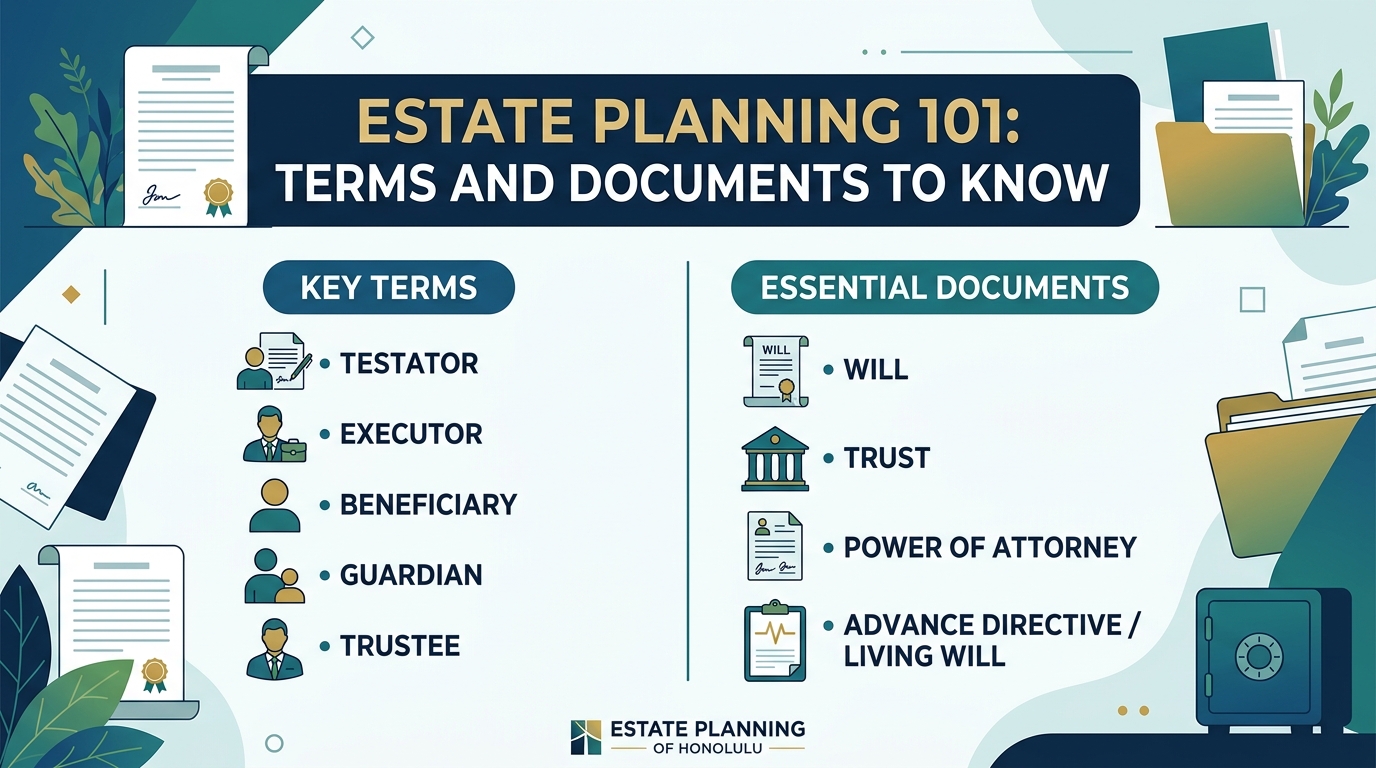
Estate Planning 101: Terms and Documents To Know

How to prepare for your first estate planning meeting